
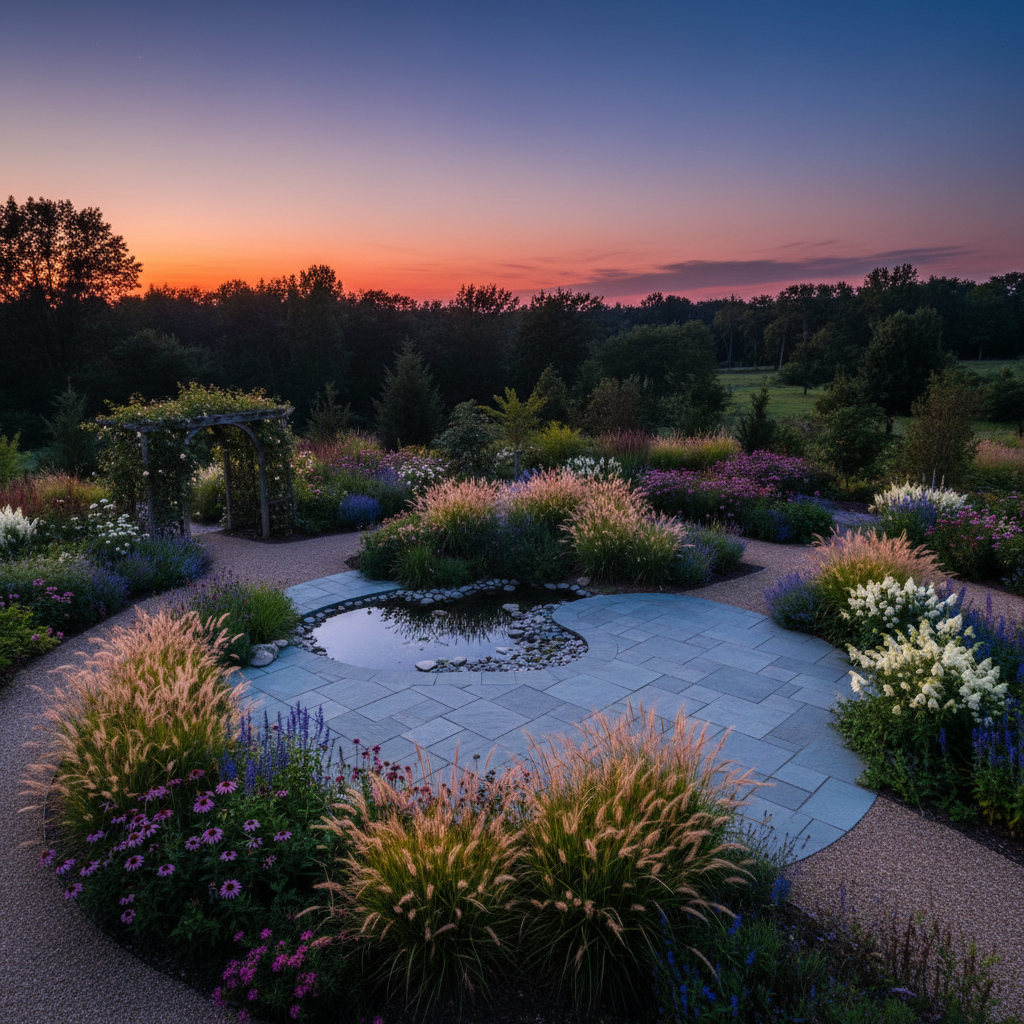
We Design the
Ground You
Stand On.
Grading slopes, threading gravel paths through native plantings, and building dry-stack walls that look like they've been there a century.
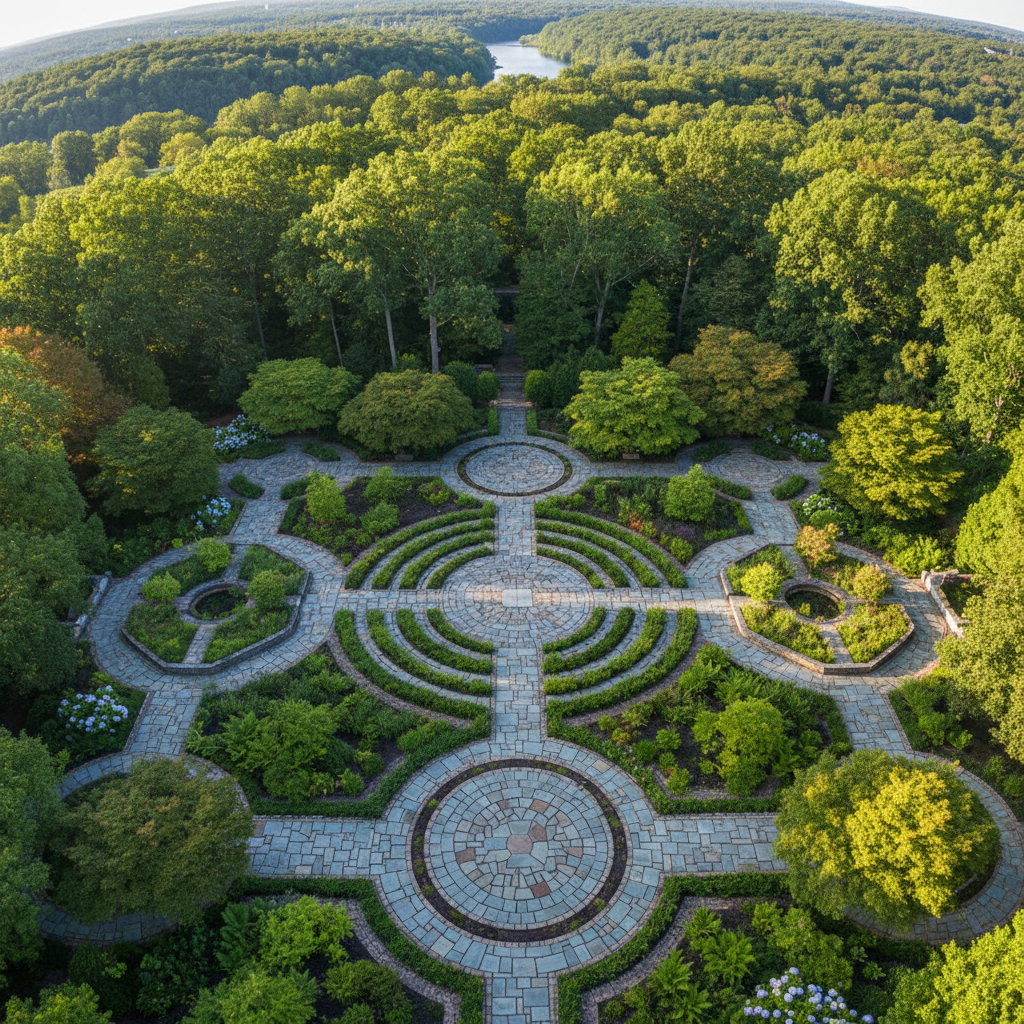
The Lautner
Residence
A bare acre behind new construction — compacted fill, zero topsoil, one drainage easement cutting diagonally across the site. We read the land before we touched it.
Site Area
0.9 ac
Completion
2023
Stone Laid
840 ft
Species
34
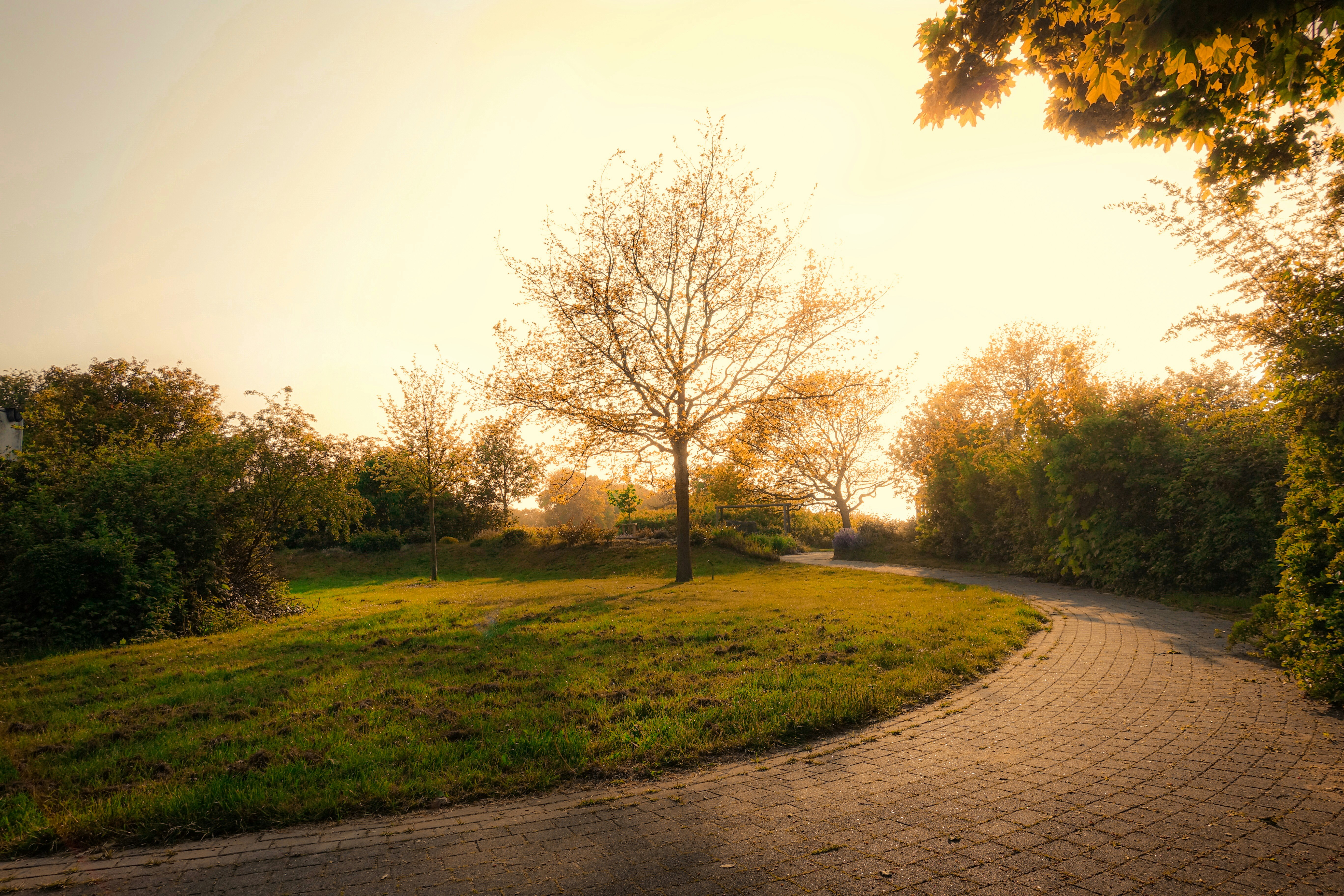
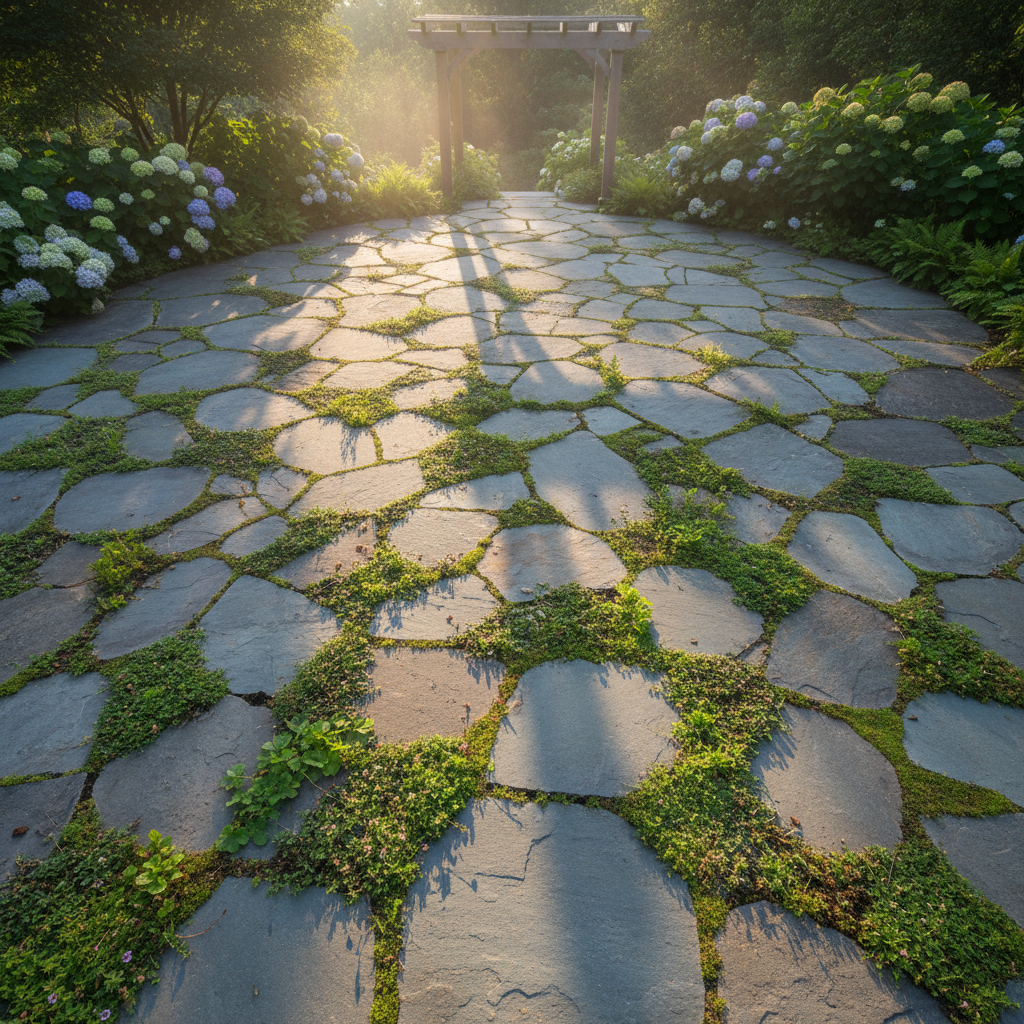
"Drainage isn't a problem to solve at the end. It's the entire logic of the design."
The Lautner site had a 4% cross-slope toward the house foundation — the kind of thing a builder grades flat and hands off. We kept the slope, redirected it through a shallow swale disguised as a planting bed, and let it feed a rain garden at the property's low corner. The ornamental grasses there will be twice the size of anything irrigated, because they're drinking the whole site's runoff.
Stone Selection
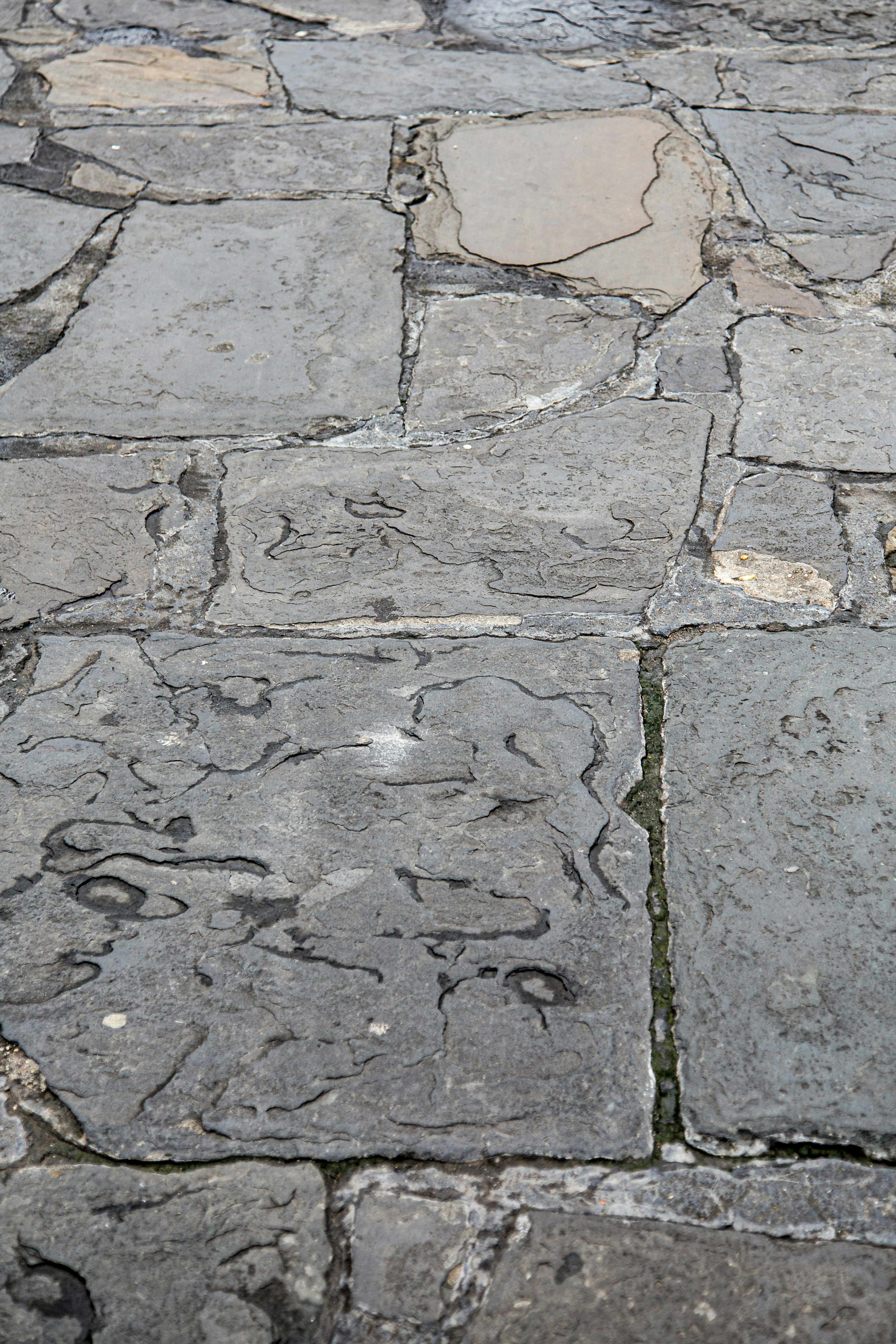
Pennsylvania bluestone, thermally finished. Warm gray that reads warmer at dusk, cooler at midday.
Planting Strategy
70% native species. Switchgrass, prairie dropseed, little bluestem — all drought-tolerant once established.
Ten-Year Projection
Canopy closure at the east edge. Stone walls colonized by moss and lichen. No irrigation required.
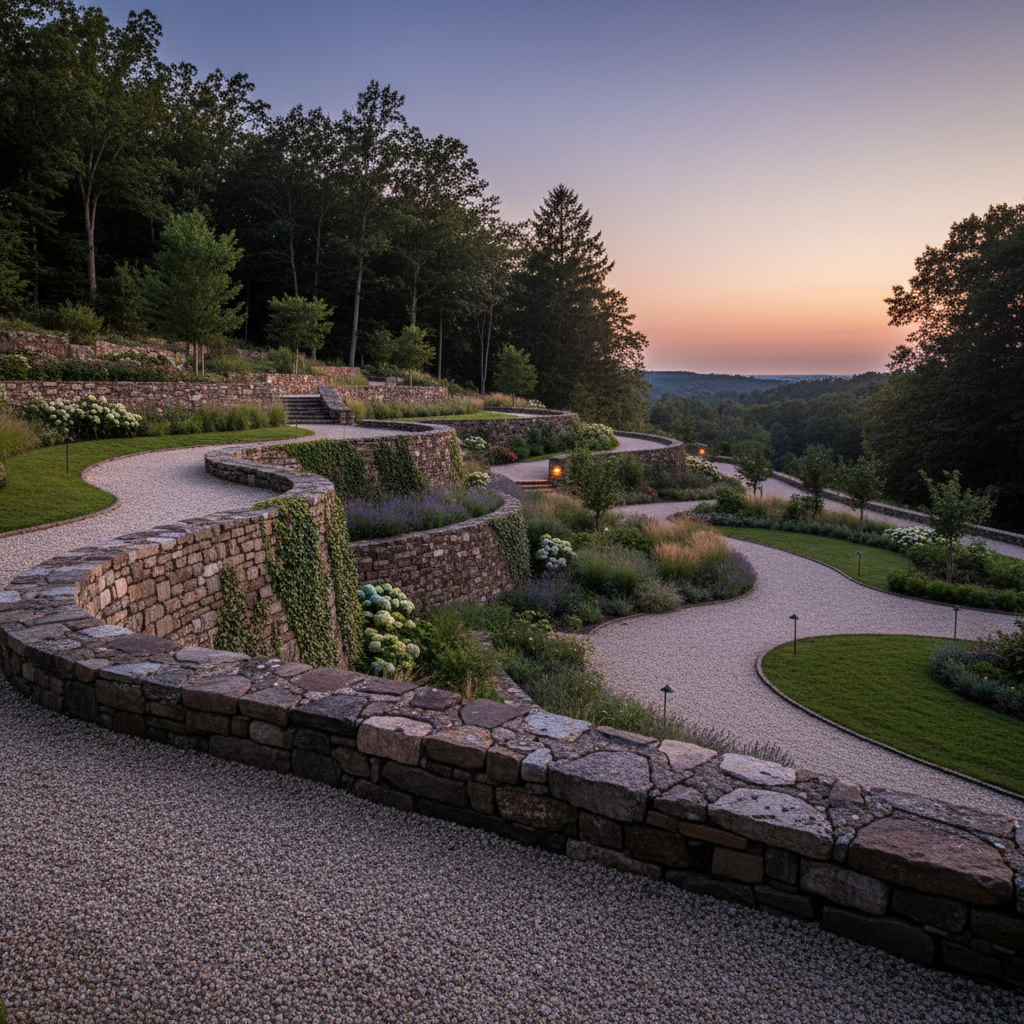
Hawthorn
Estate
Fourteen acres of inherited garden gone feral — sixty-year-old laurel hedges, collapsed stone walls, a kitchen garden buried under two decades of volunteer trees. We spent a full season listening before cutting a single branch.
Site Area
14 ac
Walls Rebuilt
1,200 ft
Trees Removed
47
Completion
2024
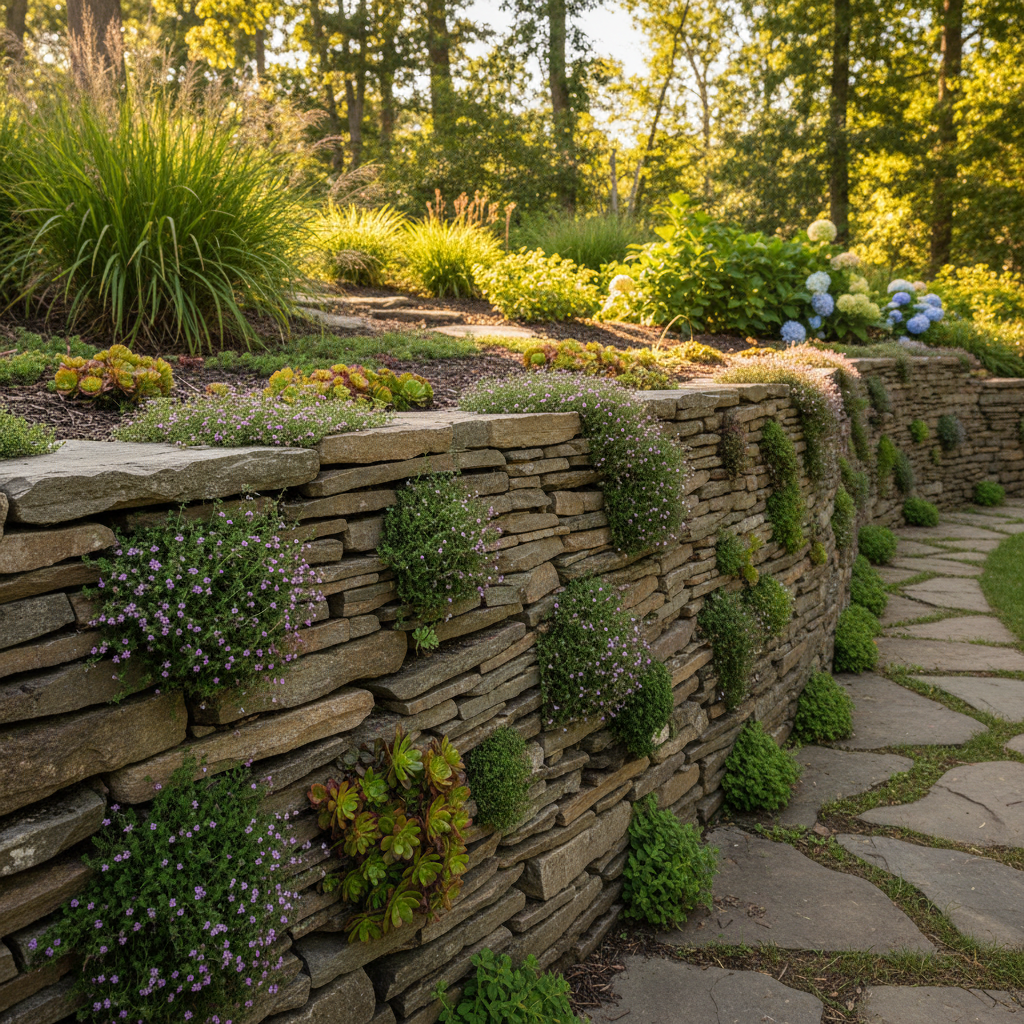
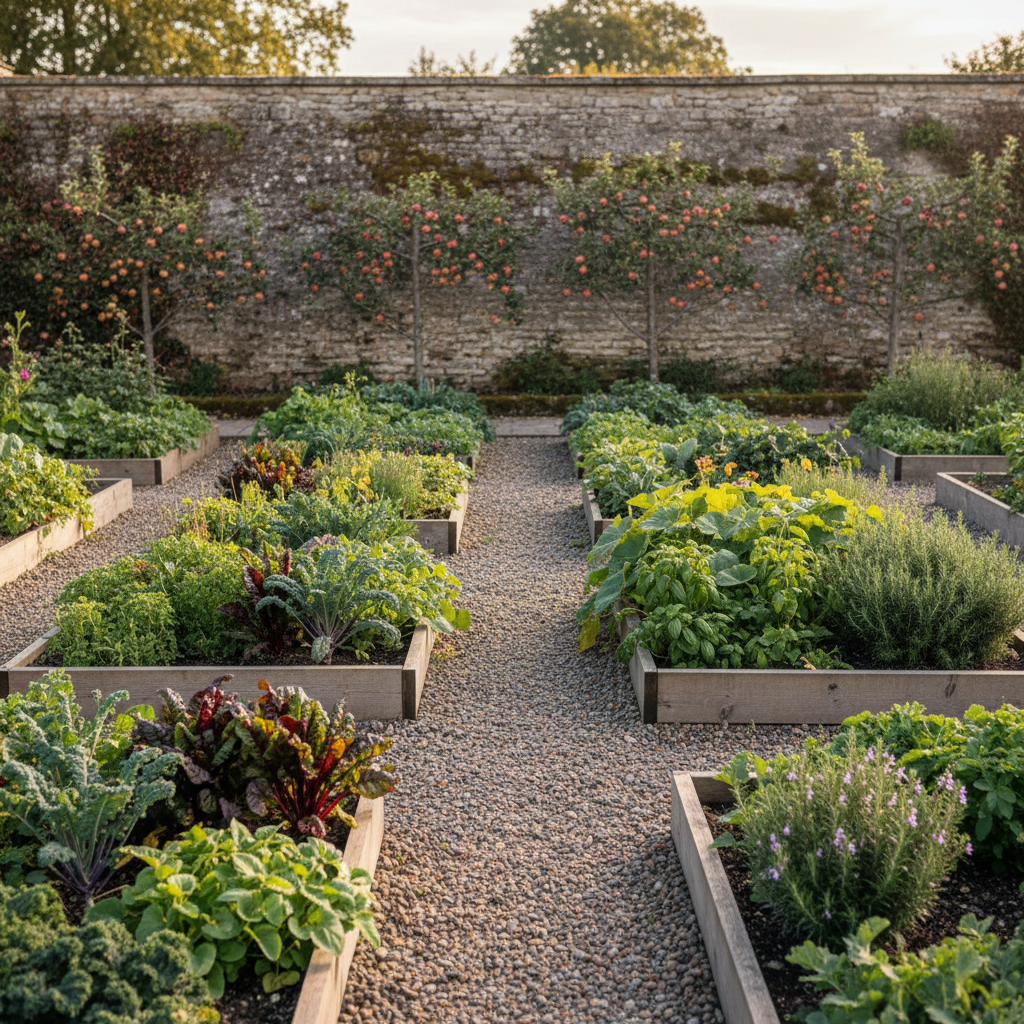
"The wall doesn't need to look built. It needs to look found — like the hillside simply decided to hold itself there."
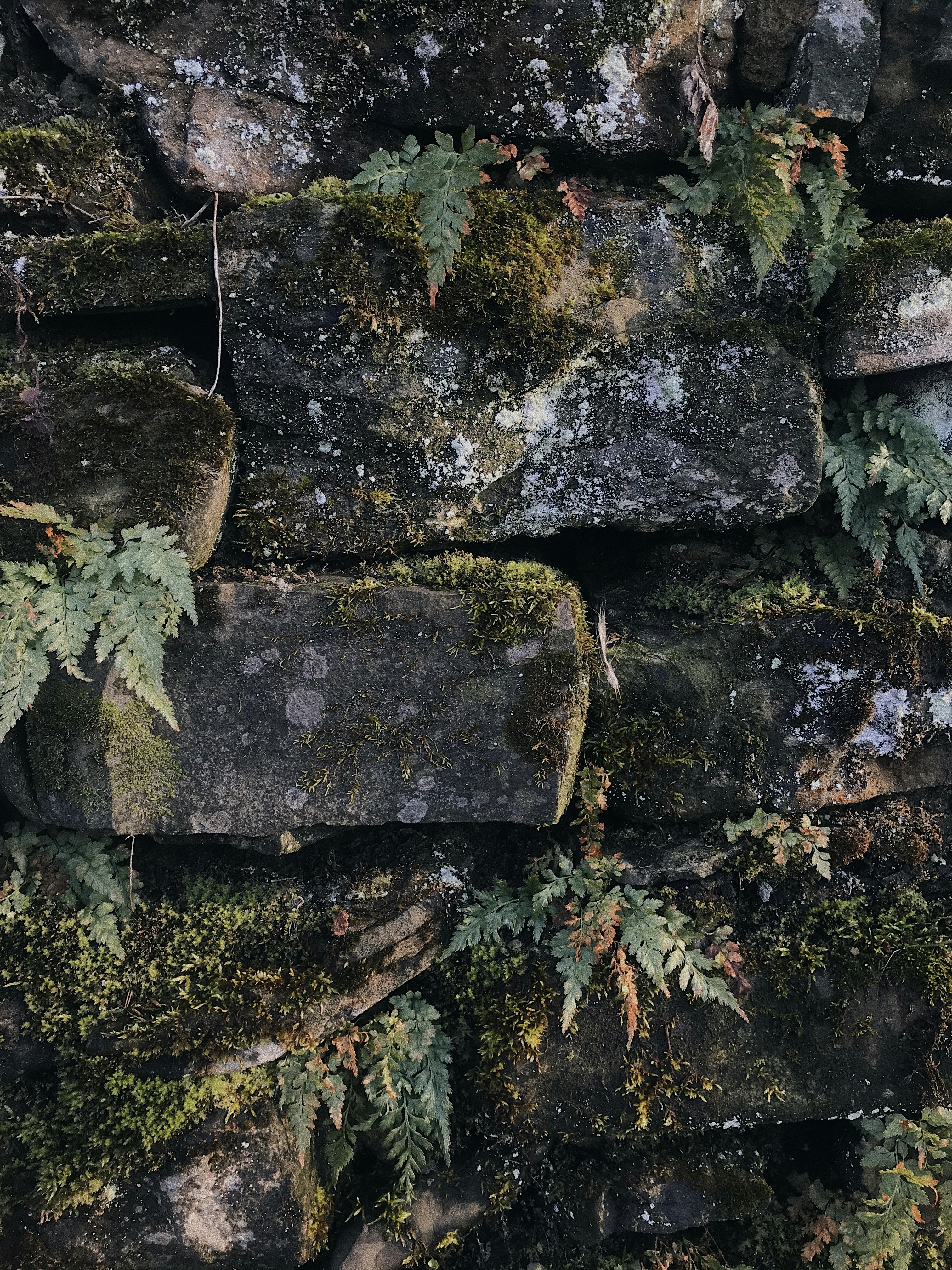
Every stone in a dry-stack wall is a decision. Not mortared, not hidden — just set. The angle of lean, the choice of face, which crack to leave open for the sedums. We sourced this basalt from a quarry forty miles east, split along its natural planes so the texture would read as geological, not manufactured.
In ten years the wall will have lichens on its north face and toadflax threading the lower courses. The clients won't remember we built it. That's the goal — a landscape that belongs to the land, not to us. The best work disappears into its place.
Describe
Your Land.
Tell us what you're working with. No brief is too bare, no garden too far gone. We start every project by listening.